Stucco is one of the most durable and attractive exterior finishes available for homes. It offers long lasting protection, improves curb appeal, and stands up well to changing weather conditions. Even though stucco is built to last, it is not immune to wear and damage. Over time, moisture, temperature changes, poor installation, and natural aging can affect its condition.
Recognizing the signs stucco needs repair early can save homeowners from expensive structural problems and prevent further deterioration. Small issues that appear harmless today may develop into major repairs if left untreated.
In this guide, we will discuss ten common warning signs that indicate your home may need professional stucco repair, explain why these issues occur, and show why a professional stucco inspection is essential for maintaining your home’s exterior.
Why Early Stucco Repairs Matter
Stucco acts as a protective barrier against wind, rain, heat, and moisture. When it becomes damaged, water can enter behind the surface and affect the underlying structure. This may lead to wood rot, mold growth, insulation damage, and costly repairs.
Scheduling repairs as soon as warning signs appear helps maintain the strength, appearance, and value of your home. A professional contractor can accurately identify hidden problems before they become more serious.
1. Visible Cracks in the Stucco
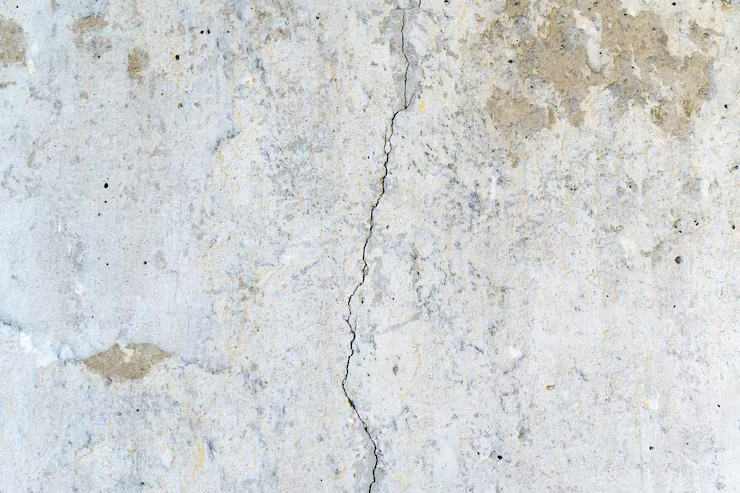
One of the most obvious signs stucco needs repair is the appearance of visible cracks. While tiny hairline cracks can develop naturally over time, wider or spreading cracks often indicate movement or stress within the wall system.
Cracked stucco can allow moisture to penetrate behind the finish, especially during heavy rain. If cracks continue growing or appear around windows, doors, or corners, they should be professionally evaluated.
Repairing cracks early prevents moisture intrusion and helps preserve the integrity of the exterior.
2. Discoloration and Staining
Dark stains, yellow patches, or unusual discoloration often indicate trapped moisture inside the stucco system. Water entering through damaged areas may remain hidden for months before becoming visible on the surface.
Staining commonly appears beneath windows, roof lines, or areas where water drainage is poor.
Professional contractors can determine whether the stains are caused by moisture penetration, algae, or other underlying issues requiring repair.
3. Soft or Hollow Areas
Healthy stucco feels firm and solid when gently tapped. If certain areas sound hollow or feel soft, it may indicate separation from the wall beneath.
These weak spots often develop because moisture has damaged the underlying materials or because the stucco has begun separating from its substrate.
Ignoring these warning signs can eventually result in larger sections detaching from the home.
4. Bulging or Uneven Surfaces
Stucco should maintain a smooth, consistent appearance across the entire exterior. Areas that begin bulging, swelling, or appearing uneven often suggest trapped moisture or structural movement.
These visible distortions are clear indicators of damaged stucco that requires professional evaluation.
Surface irregularities rarely correct themselves and usually become worse over time if left untreated.
5. Water Leaks Inside the Home
Water stains on interior walls, peeling paint, or damp drywall may actually originate from exterior stucco damage.
Once moisture passes through compromised stucco, it can affect insulation, framing, and interior finishes.
Many homeowners mistakenly repair the inside damage without addressing the exterior source. A complete stucco inspection helps identify where moisture is entering and prevents recurring problems.
6. Mold or Mildew Growth
Mold or mildew appearing on exterior walls may indicate excessive moisture trapped within the stucco system.
While some surface mold develops because of humidity, persistent growth often signals water infiltration behind the finish.
Besides affecting appearance, mold may spread into wall cavities and contribute to poor indoor air quality.
Professional repairs eliminate the moisture source rather than simply cleaning the visible mold.
7. Chipping or Flaking Stucco
Stucco should maintain a solid, durable surface throughout its lifespan. When pieces begin chipping, flaking, or breaking away, moisture and age are often contributing factors.
These damaged areas expose the underlying materials to additional weather exposure.
Prompt repairs restore the protective barrier before larger sections become unstable.
8. Gaps Around Windows and Doors
The areas surrounding windows, doors, and other openings are especially vulnerable to water intrusion.
If you notice gaps, cracks, or separation where stucco meets trim or frames, water may already be entering behind the exterior finish.
Professional sealing and repair help maintain a watertight barrier and prevent hidden structural damage.
9. Efflorescence on the Surface
Efflorescence appears as a white, powdery residue on stucco surfaces.
This mineral deposit forms when moisture travels through the wall and evaporates, leaving salts behind.
Although the white staining itself is not harmful, it often indicates an underlying moisture issue.
A professional inspection can determine whether repairs are necessary to stop water infiltration.
10. Aging Stucco Without Recent Inspection
Even well maintained stucco eventually experiences wear from years of exposure to changing weather conditions.
Homes with older stucco that have never undergone a professional stucco inspection may have hidden problems that are not immediately visible.
Routine inspections help identify early deterioration before it leads to expensive structural repairs.
If your stucco is several years old and has not been evaluated recently, scheduling an inspection is a smart preventative measure.
Common Causes of Stucco Damage
Several factors contribute to stucco deterioration over time.
Poor installation can create weak points where moisture enters the system. Improper flashing around windows and doors may also allow water intrusion. Weather exposure, including heavy rain, freezing temperatures, and prolonged sunlight, gradually weakens exterior surfaces. Foundation movement may produce new cracks as the home naturally settles. Inadequate maintenance allows small problems to grow into major repairs.
Understanding these causes helps homeowners recognize why regular inspections are important.
Why Professional Stucco Repair Is the Best Solution
Many homeowners consider patching visible cracks themselves. While small cosmetic repairs may appear successful initially, they often fail to address the actual source of the problem.
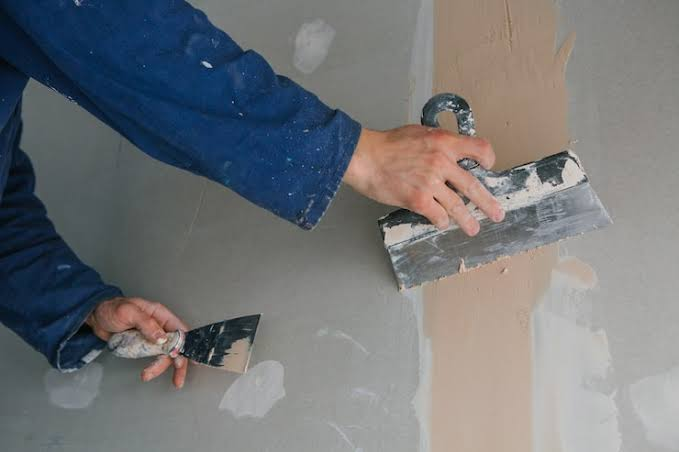
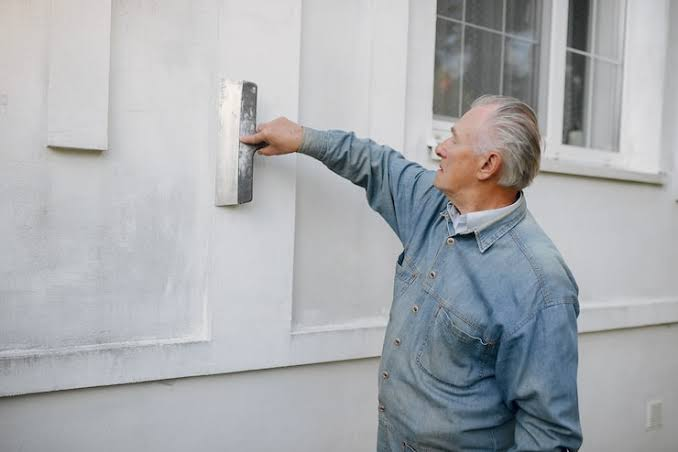
Professional contractors inspect both visible and hidden damage before recommending repairs. They identify moisture intrusion, repair compromised materials, properly seal affected areas, and restore the appearance of the stucco finish.
Experienced professionals also ensure that repaired sections blend with the surrounding texture and color for a consistent appearance.
Benefits of Timely Stucco Repairs
Addressing stucco damage early provides several important benefits for homeowners.
Timely repairs help prevent water intrusion that can damage framing and insulation. They reduce the likelihood of mold growth, preserve your home’s structural integrity, improve curb appeal, and extend the lifespan of the entire stucco system.
Regular maintenance also helps avoid larger repair costs in the future.
When Should You Schedule a Stucco Inspection?
If you notice any of the warning signs discussed above, it is wise to arrange a professional inspection as soon as possible.
You should also consider scheduling a stucco inspection after severe storms, before purchasing an older home, when preparing to sell your property, or whenever the exterior has not been evaluated for several years.
Early detection allows repairs to remain smaller, less expensive, and easier to complete.
Conclusion
Keeping your stucco in good condition is essential for protecting your home from moisture, structural damage, and expensive repairs. Paying attention to early warning signs such as cracks, stains, soft areas, or surface deterioration allows problems to be addressed before they become more serious. Regular maintenance and timely repairs also help preserve your home’s appearance, durability, and long term value.
If you have noticed any changes to your stucco or would like peace of mind about its condition, the experienced team at Western One Coatings is here to help. We provide thorough inspections and reliable repair solutions designed to restore and protect your home’s exterior.
Frequently Asked Questions
1. How do I know if my stucco needs repair?
Common signs include cracks, staining, bulging, soft spots, mold growth, chipping, and moisture entering the home. A professional inspection can determine the extent of the damage.
2. Are small stucco cracks a problem?
Hairline cracks may occur naturally, but larger or expanding cracks can allow moisture into the wall system and should be repaired promptly.
3. How often should I schedule a stucco inspection?
Homeowners should consider a professional inspection every few years, after severe weather, or whenever visible damage appears.
4. Can damaged stucco cause water leaks?
Yes. Damaged stucco can allow water to penetrate behind the exterior finish, leading to mold, wood rot, insulation damage, and interior water stains.
5. Is professional stucco repair better than DIY repairs?
Yes. Professional contractors identify hidden moisture problems, repair underlying damage, and restore the stucco system properly to prevent future issues.