Stucco is a popular exterior finish known for its durability, energy efficiency, and attractive appearance. When properly installed and maintained, stucco can protect a property for many years. However, like any exterior material, stucco can develop cracks over time due to weather conditions, building movement, installation issues, or moisture problems.
Many property owners notice cracks forming on their stucco walls and wonder what causes stucco cracks and whether the damage requires immediate attention. While some cracks are minor cosmetic issues, others may indicate deeper problems that could affect the structure of the building.
Understanding the cause behind stucco cracks is important because the right repair method depends on the source of the damage. At Western One Coatings, we help property owners identify stucco problems and provide solutions designed to restore the appearance and protection of their exterior surfaces.
What Causes Stucco Cracks?
Stucco cracks can develop for several different reasons. Since stucco is a cement based material, it naturally responds to changes in temperature, moisture, and structural movement. Over time, these factors can create stress that leads to visible cracking.
Some cracks are expected as the material ages, while others may signal problems that require professional evaluation.
Natural Shrinkage During Stucco Curing
One of the most common reasons stucco cracks appear is natural shrinkage during the curing process.
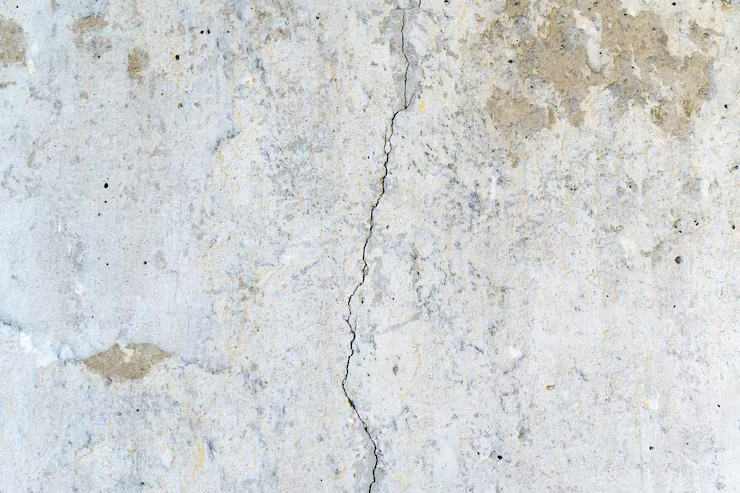
When stucco is applied, it contains moisture that slowly evaporates as the material dries. This process can cause slight movement and create small surface cracks. These minor cracks are usually referred to as hairline stucco cracks.
Hairline cracks are typically not a major structural concern, but they should still be monitored and sealed when necessary. Even small openings can allow moisture to enter behind the stucco surface if they are left untreated for a long period.
Foundation Movement and Structural Shifting
One of the more serious answers to what causes stucco cracks is foundation movement.
Every building experiences some level of movement as it settles over time. However, significant soil changes, poor drainage, seismic activity, or foundation problems can create excessive movement.
When the foundation shifts, the walls may move as well. Since stucco is a rigid material, it does not easily adjust to these changes and may develop cracks as a result.
Cracks caused by foundation movement are often larger, longer, or diagonal in appearance. If you notice expanding cracks or cracks near windows and doors, a professional inspection can help determine the cause.
Temperature Changes and Weather Exposure
Stucco is constantly exposed to outdoor conditions. Changes in temperature cause the material to expand and contract throughout the year.
During hot weather, stucco expands. During colder temperatures, it contracts. Repeated cycles of expansion and contraction can create stress within the surface and eventually lead to cracking.
Properties located in areas with extreme temperature changes may experience more frequent stucco cracking. Proper installation techniques, including expansion joints, can help minimize damage caused by weather-related movement.
Improper Stucco Installation
Poor installation is another common reason behind stucco cracking.
If the stucco mixture is prepared incorrectly, applied unevenly, or not allowed enough time to cure, the finished surface may become weaker and more likely to crack.
Other installation problems that can contribute to cracks include:
- Improper surface preparation
- Incorrect application thickness
- Missing control joints
- Poor moisture protection
Working with experienced stucco professionals helps ensure the material is installed correctly and performs properly over time.
Moisture Damage Behind Stucco
Moisture intrusion is another major cause of stucco damage.
Although stucco provides excellent exterior protection, water can enter behind the surface through damaged seals, leaking windows, poor flashing, or cracks that were left untreated.
Once moisture gets behind the stucco, it can damage the underlying materials and cause the surface to weaken. This often results in recurring cracks, staining, bubbling, or areas where the stucco begins to separate from the wall.
Before completing any stucco crack repair, professionals should identify and correct the source of moisture to prevent future damage.
Understanding Hairline Stucco Cracks
Hairline stucco cracks are thin cracks that commonly appear on stucco surfaces. These cracks are usually very small and may develop due to normal drying, temperature changes, or minor surface movement.
In many cases, hairline cracks do not indicate serious structural issues. However, they should not be ignored completely.
Sealing small cracks early can help prevent water infiltration and reduce the risk of larger repairs later. Regular inspections allow property owners to address minor damage before it becomes a bigger concern.
When Are Stucco Cracks a Serious Problem?
Some stucco cracks are harmless, while others require immediate attention. Property owners should pay close attention to the size, location, and pattern of cracks.
Cracks may indicate a larger problem when they:
- Continue growing over time
- Become wider than normal surface cracks
- Appear around doors and windows
- Create gaps in the stucco surface
- Are accompanied by water stains or interior damage
Large diagonal cracks or cracks connected to possible foundation movement should always be inspected by a professional.
How Is Stucco Crack Repair Done?
The correct approach to stucco crack repair depends on the type and severity of the damage.
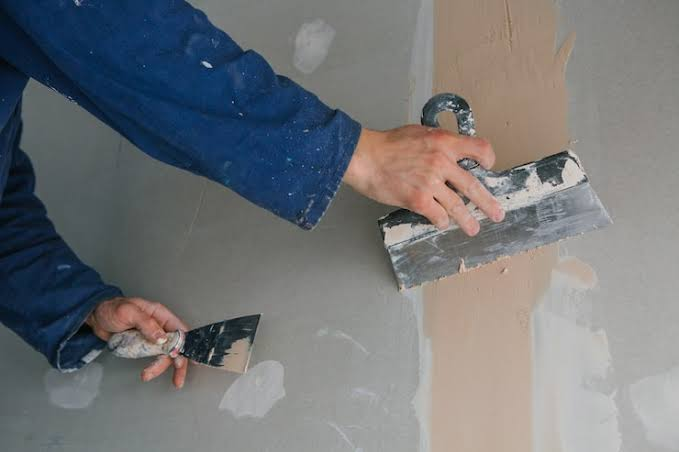
For minor cracks, professionals usually clean the damaged area and apply flexible repair materials designed to move with the stucco surface. This prevents the crack from reopening due to normal expansion and contraction.
For larger cracks, the damaged stucco may need to be removed and replaced. The repair process can include reinforcing the area, applying new stucco layers, matching the existing texture, and restoring the exterior finish.
If moisture or structural movement caused the cracking, those issues must be corrected before repairing the stucco. Otherwise, the cracks may return even after professional repairs.
Can Stucco Cracks Be Prevented?
While some cracking is natural over time, proper maintenance can reduce the chances of serious stucco damage.
Regular inspections help identify small cracks before they become larger problems. Keeping gutters, drainage systems, and exterior seals in good condition can also prevent moisture-related damage.
Applying protective coatings and maintaining the exterior finish can improve stucco durability. Addressing minor repairs quickly is one of the best ways to extend the life of your stucco system.
Why Professional Stucco Repair Is Important
Stucco repairs require more than simply filling visible cracks. A professional must identify why the crack developed before choosing the right repair method.
Experienced contractors understand how moisture, temperature changes, installation quality, and structural movement affect stucco performance.
At Western One Coatings, we focus on identifying the source of stucco damage and providing solutions that restore both appearance and long-term protection.
Professional repairs help prevent recurring problems, protect your property value, and maintain the durability of your exterior finish.
Conclusion
Understanding what causes stucco cracks helps property owners identify problems early and choose the right repair solution. While some hairline stucco cracks are normal and caused by natural movement, larger cracks may point to moisture issues, installation problems, or foundation movement.
Addressing cracks early can prevent further damage and protect your property from costly repairs. Professional stucco crack repair ensures the underlying issue is properly addressed instead of only covering visible damage.
If your property has stucco cracks, Western One Coatings can help evaluate the damage and provide reliable solutions to restore your exterior.
Frequently Asked Questions
1. What causes stucco cracks in homes?
Stucco cracks can occur due to natural curing, temperature changes, moisture intrusion, improper installation, and foundation movement.
2. Are hairline stucco cracks dangerous?
Most hairline stucco cracks are minor and do not indicate serious damage. However, sealing them can help prevent moisture from entering behind the stucco.
3. Can foundation movement cause stucco cracks?
Yes. Foundation movement can create stress on stucco surfaces, leading to larger cracks that may require professional evaluation.
4. How much does stucco crack repair cost?
The cost of stucco crack repair depends on the size of the damage, the cause of the crack, and the amount of restoration required.
5. Should I repair small stucco cracks immediately?
Yes. Repairing small cracks early can help prevent water damage and reduce the risk of more expensive repairs in the future.