Commercial buildings are exposed to changing weather, moisture, temperature fluctuations, and everyday wear. Over time, these conditions can affect the performance and appearance of stucco, one of the most durable exterior finishes available. While stucco offers excellent protection and a clean, professional look, it still requires proper care to remain in good condition.
Understanding commercial stucco problems is important for property managers and business owners who want to protect their investment and avoid expensive structural repairs. Small cracks, moisture intrusion, and neglected maintenance may seem minor at first, but they can quickly become significant issues if left untreated.
At Western One Coatings, we help commercial property owners maintain durable and attractive building exteriors through professional inspections, repairs, and protective coating solutions. Knowing what to watch for and taking preventive action can extend the life of your commercial stucco system while reducing long-term repair costs.
Why Commercial Stucco Develops Problems
Commercial stucco is designed to withstand years of exposure to the elements. However, several factors can contribute to deterioration over time.
Weather exposure is one of the most common causes. Constant sun, rain, wind, snow, and freeze-thaw cycles gradually weaken the exterior surface. Buildings located in areas with frequent temperature changes experience more expansion and contraction, increasing the likelihood of cracks.
Moisture is another major concern. If water finds its way behind the stucco through damaged sealants, cracks, or poor flashing, it can remain trapped inside the wall system. This hidden moisture often leads to more serious structural damage.
Improper installation can also create long-term issues. If the stucco system was not installed according to industry standards, defects may appear much sooner than expected.
Finally, lack of regular building exterior maintenance allows small issues to develop into expensive repairs.
Hairline and Structural Cracks
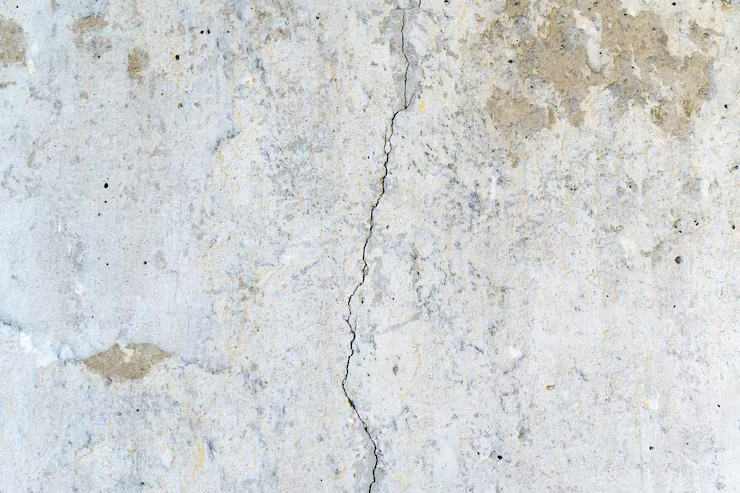
Cracks are among the most common commercial stucco problems seen on office buildings, retail centers, warehouses, and apartment complexes.
Hairline cracks often develop naturally as buildings settle over time. While these small cracks may not immediately threaten the structure, they should still be monitored because they allow moisture to enter the stucco system.
Larger structural cracks are more serious. They may result from foundation movement, building settlement, seismic activity, or excessive stress on the exterior walls. These cracks often indicate underlying structural movement that requires professional evaluation.
Early crack repairs help prevent water intrusion and reduce the risk of more extensive damage.
Moisture Intrusion Behind Stucco
Water infiltration is one of the most expensive commercial stucco issues to repair.
When moisture enters through cracks, failed caulking, damaged flashing, or improperly sealed penetrations, it can become trapped behind the stucco finish. Since the damage often occurs inside the wall system, property owners may not notice the problem until significant deterioration has already occurred.
Signs of moisture intrusion include staining, bubbling finishes, mold growth, soft wall sections, and peeling paint around windows or doors.
Professional stucco inspection services can identify hidden moisture before it causes structural damage.
Efflorescence and Surface Staining
White powdery deposits appearing on stucco surfaces are called efflorescence. These deposits form when water dissolves natural salts inside the wall and carries them to the surface as moisture evaporates.
Although efflorescence itself is not harmful, it indicates that water is moving through the stucco system. This means moisture intrusion should be investigated before more serious problems develop.
Dark stains, algae, mildew, or discoloration may also suggest excessive moisture exposure or poor drainage around the building.
Cleaning the surface alone does not solve the underlying issue. Identifying and eliminating the moisture source is essential.
Delamination and Stucco Separation
Delamination occurs when stucco begins separating from the wall underneath.
This problem often develops because of poor installation, trapped moisture, inadequate bonding, or long-term deterioration. Sections of stucco may sound hollow when tapped or appear loose along the wall.
If ignored, separated stucco can eventually fall away from the building, creating safety concerns for employees, visitors, and pedestrians.
Professional commercial stucco repair addresses both the detached stucco and the underlying cause of failure.
Impact Damage
Commercial buildings frequently experience accidental impact damage from vehicles, maintenance equipment, landscaping machinery, loading docks, or construction activities.
Even relatively small impacts can crack the stucco surface and create openings for moisture intrusion.
Prompt repairs restore the protective barrier and help maintain a professional appearance.
Failed Sealants Around Openings
Windows, doors, expansion joints, vents, and utility penetrations rely on properly functioning sealants to keep moisture out.
Over time, caulking becomes brittle, shrinks, or separates from surrounding materials. Once these seals fail, water can easily enter behind the stucco.
Routine inspections of sealants are an important part of effective building exterior maintenance because replacing deteriorated caulking is far less expensive than repairing water damage.
Poor Drainage Around the Building
Improper drainage contributes to many commercial stucco problems.
Roof leaks, overflowing gutters, clogged downspouts, negative grading, or irrigation systems spraying directly onto walls all increase moisture exposure.
Standing water near the building foundation also increases the likelihood of moisture moving into the stucco system.
Maintaining proper drainage helps reduce unnecessary water exposure and extends the lifespan of the building exterior.
The Importance of Routine Stucco Inspection
Many stucco issues remain hidden until visible damage appears. Regular stucco inspection allows property managers to identify developing problems before they require major repairs.
Professional inspections typically evaluate:
- Surface cracks and movement
- Sealants around windows and doors
- Flashing performance
- Moisture intrusion indicators
- Impact damage
- Surface deterioration
- Coating condition
- Expansion joints
Annual inspections are especially valuable after severe weather events or before planning exterior renovation projects.
Preventive Maintenance for Commercial Stucco
Preventive maintenance is one of the most cost-effective ways to protect commercial stucco.
Buildings should be visually inspected several times throughout the year. Small cracks should be repaired quickly before they expand. Damaged sealants should be replaced as soon as deterioration becomes visible.
Roof drainage systems should remain clean and functional to prevent water from flowing onto stucco walls. Landscaping irrigation should be adjusted to avoid constant water exposure against building exteriors.
Exterior surfaces should also be cleaned periodically to remove dirt, mold, algae, and pollutants that can trap moisture.
Routine maintenance significantly reduces the likelihood of expensive structural repairs later.
When Commercial Stucco Repair Is Necessary
Not every stucco issue requires complete replacement. Many problems can be resolved through targeted commercial stucco repair if identified early.
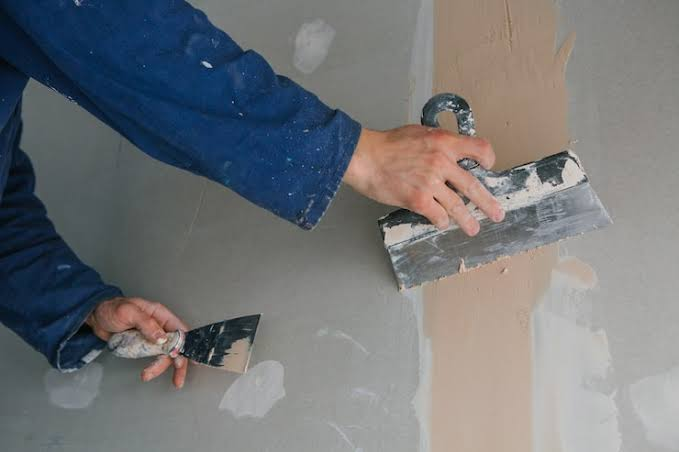
Professional repairs may include crack sealing, patch repairs, moisture remediation, replacing damaged sections, restoring protective coatings, and correcting drainage issues.
However, widespread moisture damage, structural movement, or extensive delamination may require larger restoration projects.
Having repairs completed promptly helps preserve the structural integrity of the building while minimizing disruption to business operations.
Benefits of Professional Stucco Maintenance
Professional maintenance offers several long-term advantages for commercial property owners.
Regular care extends the lifespan of the exterior finish while reducing unexpected repair costs. It also improves curb appeal, supports property value, and helps maintain a safe environment for tenants and visitors.
Preventive maintenance also allows budgeting for repairs before emergency situations arise, making facility management more predictable and cost effective.
Most importantly, early intervention protects the structural components hidden behind the stucco system.
Why Choose Western One Coatings
Commercial stucco systems require specialized knowledge to diagnose problems accurately and recommend appropriate solutions.
At Western One Coatings, we understand how commercial building exteriors perform under demanding environmental conditions. Our experienced team provides detailed evaluations, professional repair services, and long-term maintenance solutions designed to keep commercial properties protected.
Whether your building has minor cracking, moisture concerns, or aging exterior finishes, our goal is to help prevent small issues from becoming costly repairs.
Conclusion
Understanding commercial stucco problems allows property managers and business owners to make informed maintenance decisions before damage becomes extensive. Cracks, moisture intrusion, failing sealants, poor drainage, and impact damage may seem minor initially, but each can compromise the performance of the entire exterior wall system if left unresolved.
Regular stucco inspection, consistent building exterior maintenance, and timely commercial stucco repair are the most effective ways to extend the life of commercial stucco while protecting your property’s appearance and structural integrity.
If your commercial building is showing signs of wear or has not been professionally evaluated in several years, contact Western One Coatings to schedule a comprehensive assessment and develop a maintenance plan that helps prevent costly future repairs.
Frequently Asked Questions
1. What are the most common commercial stucco problems?
The most common commercial stucco problems include cracking, moisture intrusion, efflorescence, delamination, impact damage, failed sealants, and surface staining.
2. How often should commercial stucco be inspected?
A professional stucco inspection is recommended at least once a year and after severe weather events to identify damage before it becomes more expensive to repair.
3. Can small stucco cracks lead to major damage?
Yes. Even small cracks can allow water to enter the wall system, leading to moisture damage, mold growth, and larger structural issues if they are not repaired promptly.
4. When should commercial stucco repair be performed?
Commercial stucco repair should be completed as soon as cracks, moisture damage, loose stucco, or other signs of deterioration are discovered. Early repairs help reduce long-term costs.
5. How can commercial stucco problems be prevented?
Regular building exterior maintenance, routine inspections, proper drainage, timely crack repairs, and replacing worn sealants are the most effective ways to prevent commercial stucco problems.